LES LUNDIS DE SAINT-ANTOINE
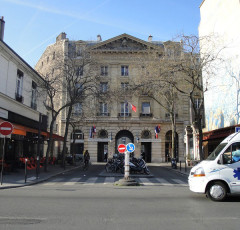
Bâtiment Kourilsky - 11h–12h
Salle des Conférences (Rez de Chaussée),
184 rue du Faubourg Saint-Antoine, Paris
***
LUNDI 12 JANVIER 2026
Modelling the neural oncogenesis related to the genetic predisposition to pediatric brain tumors with patient-derived brain organoids: the examples of CMMRD and Li-Fraumeni syndromes
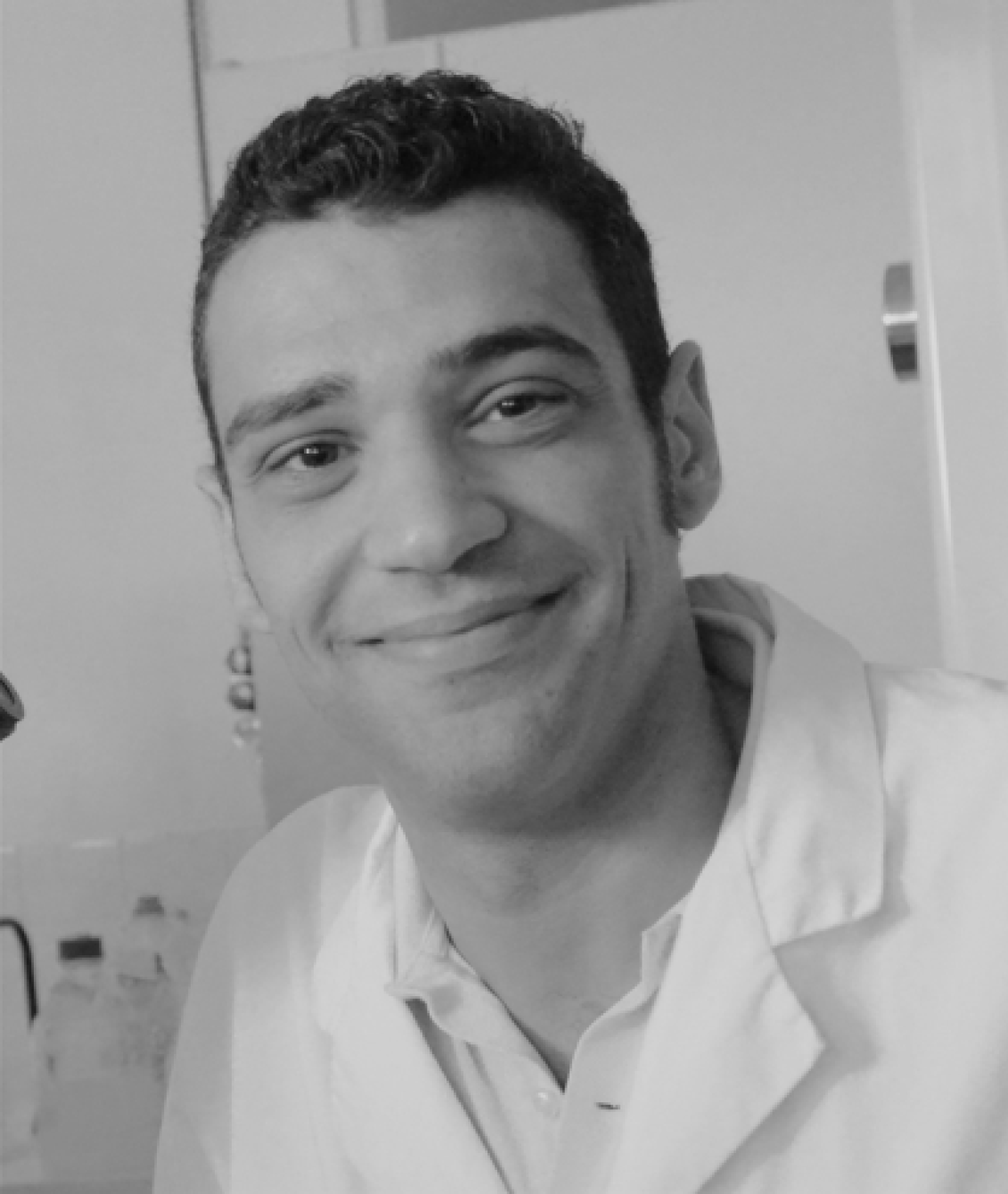
Marco, BRUSCHI
Post-doctorant – équipe GOBT - Gustave Roussy/U981
Invité par Alex DUVAL équipe de Alex DUVAL (alex.duval@inserm.fr)
A considerable proportion of pediatric brain tumors are initiated as a consequence of cancer predisposition syndromes dictated by germline or early de novo developmental alterations. Carriers of such predisposing alterations generally develop earlier and more aggressive brain tumors than patients with sporadic neoplasia. However, the oncogenic mechanisms related to predispositions remain poorly investigated. Relevant models are therefore urgently needed to investigate the specific oncogenic programs and cell dynamics driving the initiation of different brain tumors during development.
We have initiated an innovative research program based on organotypic models from patient-derived pluripotent stem cells (iPSC) to recapitulate the developmental disorders associated with multiple cancer predisposition syndromes, including constitutional mismatch repair deficiency (CMMRD) and Li-Fraumeni syndrome (LFS). The brain tumor types related to both syndromes are associated with different types of genomic instability, i.e. accumulation of replication mismatches and copy number alterations, respectively. We are therefore trying to define the precise developmental stage at which these alterations occur and describe their role in the tumorigenesis.
Our preliminary evidences suggest that both constitutional MMR-deficiency and TP53 alterations hijack the normal neural trajectories during brain development, therefore potentially increasing the risk of oncogenic transformation.
In this presentation, we will highlight the use and current limitations associated with the iPSC-based organotypic modelling and we will discuss the integration of this strategy with clinical data to elucidate the CMMRD- and LFS-related oncogenesis.
Bâtiment Kourilsky
34 rue Crozatier
75012 PARIS
Sorbonne Université
27 rue Chaligny
75012 PARIS