LES LUNDIS DE SAINT-ANTOINE
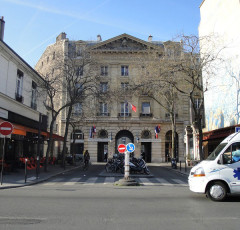
Bâtiment Kourilsky - 11h–12h
Salle des Conférences (Rez de Chaussée),
184 rue du Faubourg Saint-Antoine, Paris
***
29 JUIN 2026
Nuclear nutrient sensing signaling of Class 3 PI3K in metabolic homeostasis
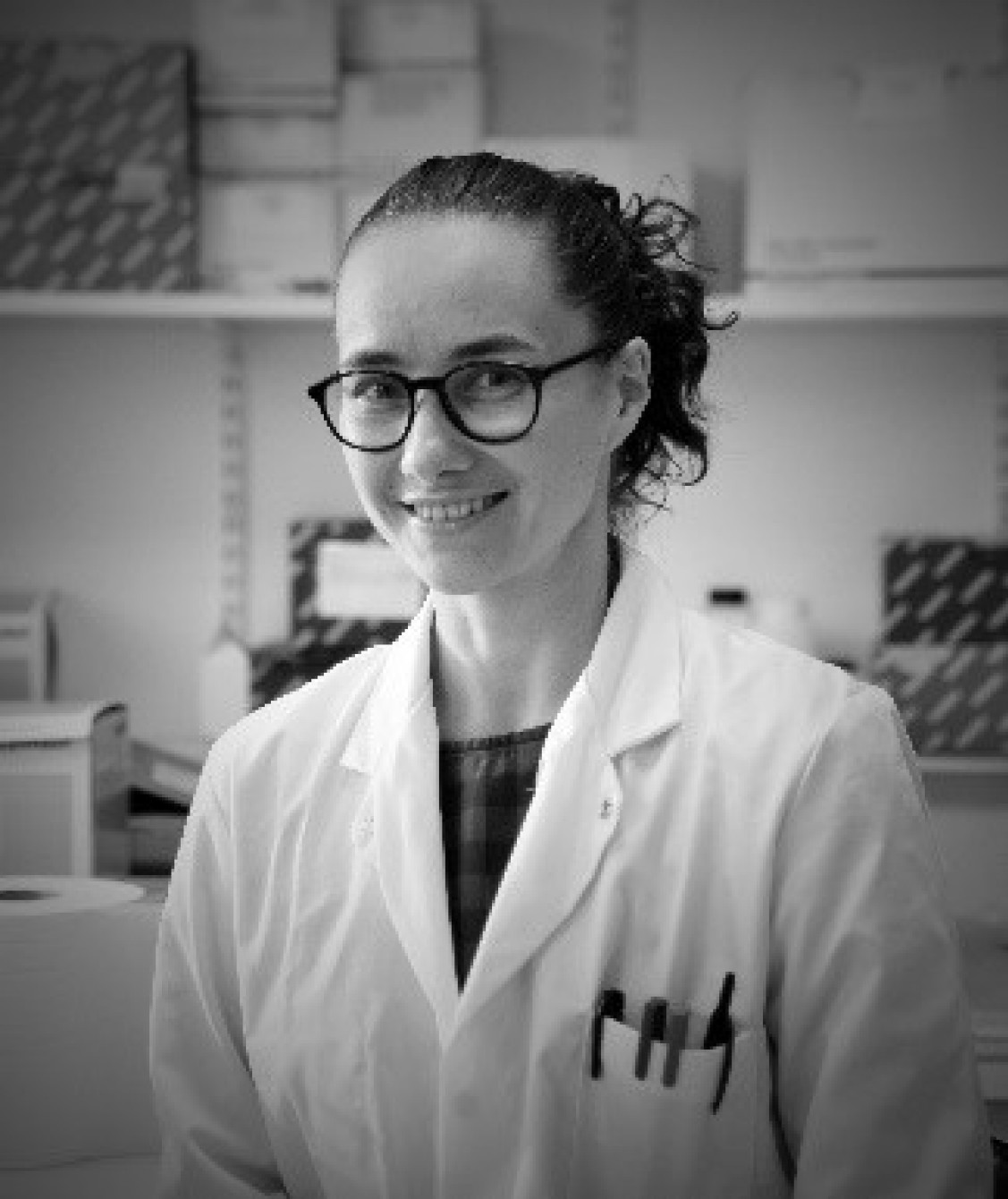
Ganna PANASYUK
DR2-INSERM U1151 INEM Institut Necker Enfants Malades
invitée par Jérémie GAUTHERON équipe de Jérémie GAUTHERON
(jeremie.gautheron@inserm.fr)
Dr Ganna Panasyuk is a principal investigator at the Institute Necker Enfants Malades (INEM, INSERM U1151, Paris), where she leads the Lab of Nutrient Sensing Mechanisms. Her research explores how nutrient and metabolic signaling pathways control cell adaptation, identity, and disease, with a strong focus on liver metabolism and liver pathophysiology.
Dr. Panasyuk trained in molecular biology in Kyiv, Ukraine, and later specialized in growth-control signaling, including mTOR/PI3K pathways, during postdoctoral work at University College London and INSERM Paris. Since 2019, she has served as INSERM Research Director at INEM. Her laboratory investigates class 3 PI3K, an evolutionarily conserved lipid kinase and nutrient sensor, using cell systems, patient-derived organoids, multi-omics approaches, subcellular metabolomics, and transgenic in vivo models. Her work is supported by national and European funding, including an ERC Consolidator Grant.
In this seminar, Dr. Panasyuk will discuss how class 3 PI3K coordinates liver adaptation to fasting and metabolic stress. While acute nutrient deprivation activates cytosolic catabolic pathways such as autophagy, prolonged fasting requires transcriptional and epigenetic rewiring. Recent work from her team shows that class 3 PI3K not only regulates autophagy and lysosomal activity, but also interacts with RNA polymerase II, associates with active transcription sites, and supports liver metabolic rhythmicity. These findings position nuclear class 3 PI3K signaling as a key regulator of hepatic metabolic homeostasis, with implications for liver disease, metabolic syndrome, and cancer.
Bâtiment Kourilsky
34 rue Crozatier
75012 PARIS
Sorbonne Université
27 rue Chaligny
75012 PARIS